
Paint Problems - Peeling
Last Updated: October 6, 2014
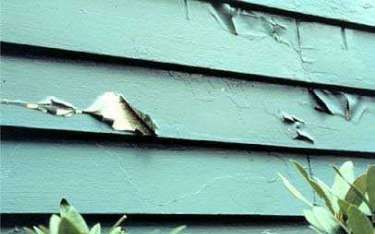
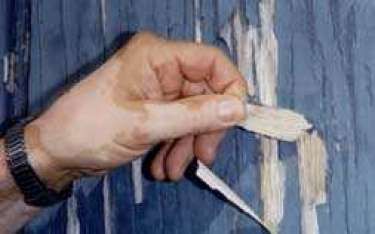
The Paint Quality Institutes defines peeling as "loss of paint due to poor adhesion." Peeling can involve multiple coats and often begins with the original coat of paint.
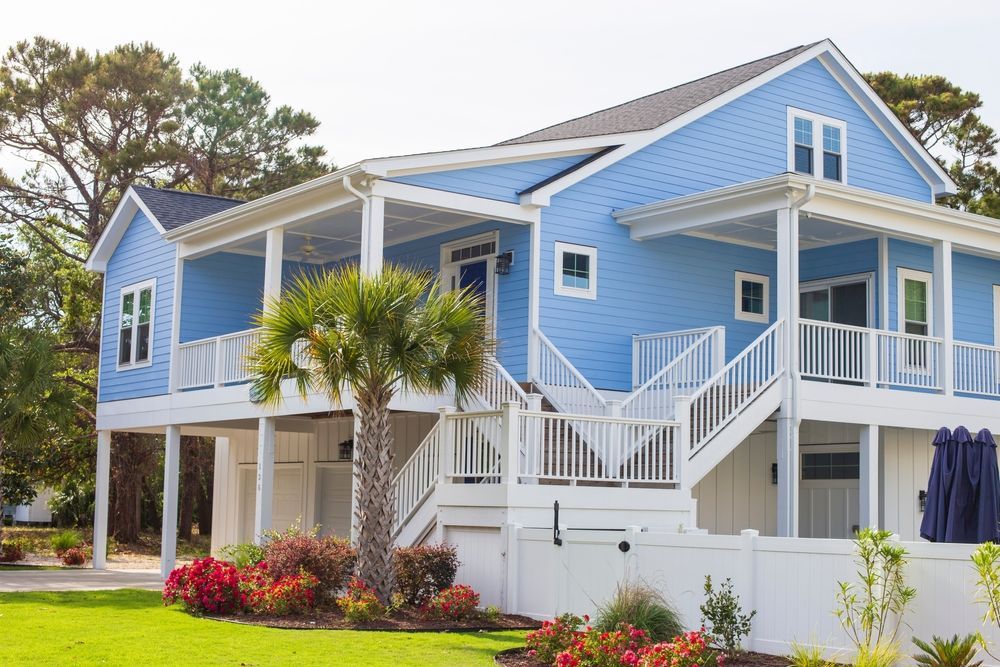
Curb Appeal Matters More Than You Think First Impressions Matter Whether you're welcoming vacation guests, preparing to sell, or simply enjoying your coastal home, appearances matter. A freshly painted exterior , clean siding, and well-maintained architectural features can transform the way people see your property. In a competitive rental or real estate market, that first impression may be more important than ever. Make Your Property Stand Out For vacation rental owners, the competition begins long before guests arrive. It starts with the photographs prospective renters see online. A beautifully maintained exterior can help your property stand out among dozens of competing listings, creating an inviting first impression that encourages guests to take a closer look. The same principle applies when selling a home. Prospective buyers often form their initial impressions before they ever walk through the front door. Faded paint, mildew-stained siding, and weathered trim can raise questions about maintenance, while a clean, freshly painted exterior conveys pride of ownership and attention to detail. In either scenario, curb appeal isn't just about looking good. It's about giving your property a competitive advantage. A Little Maintenance Goes a Long Way Living on the Outer Banks means dealing with salt air, intense sunlight, humidity, and wind-driven sand. These conditions can take a toll on even the best-maintained homes. Fortunately, restoring your home's appearance doesn't always require a major renovation. Professional exterior washing can remove accumulated dirt, mildew, and salt residue, revealing the beauty beneath. And when it's time for something more substantial, a quality paint job can dramatically refresh your home's appearance while helping protect its exterior surfaces from the elements. From a thorough washing to a complete exterior repaint, even relatively modest improvements can make a remarkable difference. Protecting Your Investment Exterior painting is about more than choosing an attractive color. Proper surface preparation, quality coatings, and professional application are essential to protecting your home in our demanding coastal environment. At Beach Painting & Construction Group , we've spent more than 30 years working on Outer Banks homes. We understand the materials, construction methods, and environmental challenges unique to our area. Whether it's cedar siding, fiber cement, LP Smart Siding, or other exterior surfaces, we know how to prepare and protect them for lasting results. Get Ahead of the Spring Rush If you're considering ex terior improvements before next year's rental season or planning to put your home on the market, now is an excellent time to get started. Spring brings increased demand for painting and maintenance services, tighter scheduling, and often higher labor costs as crews work overtime to meet seasonal deadlines. With approximately 20,000 vacation homes on the Outer Banks and a tourist season that seems to grow longer every year, the window for exterior maintenance continues to shrink. At the same time, the number of established, reputable contractors available to service these properties is declining. The result? Demand for quality painting and maintenance services increasingly exceeds available scheduling capacity. Scheduling your project during the fall and winter can offer greater flexibility, potential savings, and the peace of mind that comes with having your property ready well before the busy season b egins. Why wait until everyone else is trying to get their homes ready? Let's Make a Great First Impression Whether you're preparing your property for vacation guests, attracting potential buyers, or simply giving your home the attention it deserves, Beach Painting & Construction Group is ready to help. With more than three decades of local experience, professional crews, and a commitment to quality workmanship, we'll help your property look its best. Contact Beach Painting & Construction Group today for a free consultation and reserve your place on our spring and summer schedule before it fills. Built on Quality. Driven by Trust. Focused on Family.
Creating an Iconic Coastal Look for Your Outer Banks Home
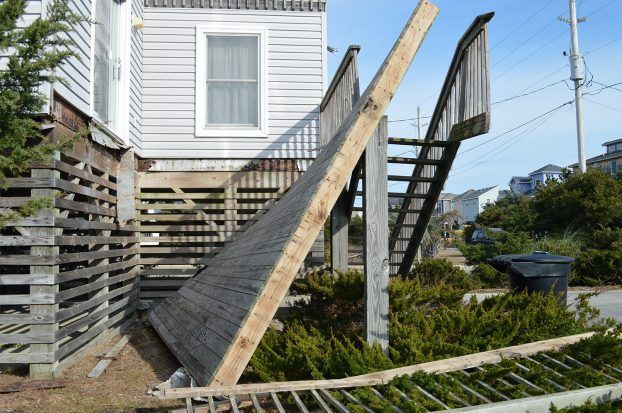
Deck Safety Awareness

Each year, most paint manufacturers release a “Color of the Year” along with a palette of complementary shades. Pantone — the global authority on color — is best known for the Pantone Matching System (PMS), which provides a standardized language for identifying, matching, and communicating color across design, fashion, printing, and manufacturing. Their annual selection is often a strong predictor of broader color trends and frequently aligns with the palettes chosen by major paint manufacturers.
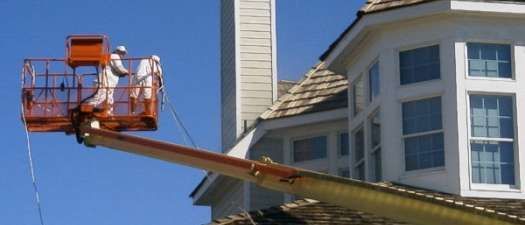
Winter is here on the Outer Banks, and if your home is part of a rental program, you’re likely working through a long checklist to prepare for the upcoming season.
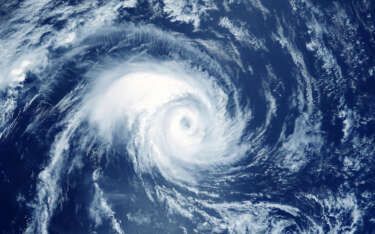
Hurricane season on the Outer Banks occurs between June and November, with the peak of the season occurring from Mid-August to Mid-October. If you own property on the Outer Banks, you’re already acutely aware of this. With Hurricane Erin currently wreaking havoc along the East Coast, now is a good opportunity to provide some quick tips for your home during hurricane season.
When it comes to home improvement, few things make an instant visual impact like a fresh coat of paint. Whether it's reviving weather-worn siding or refreshing an outdated interior, painting can breathe new life into your space. But as you start collecting quotes, you may wonder: why does a good painting contractor cost more than others?
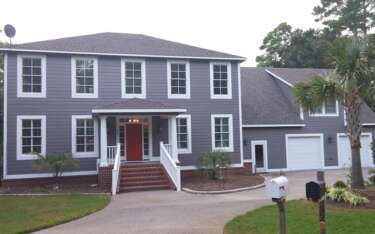
The Transformative Power of Washing and Painting Your Home
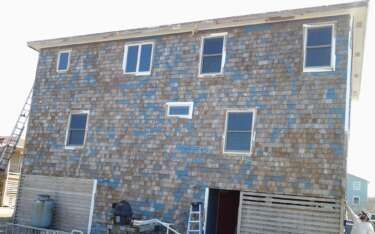
If you’ve been putting off painting your house, you’re not alone—but it may cost you more than you think. Summer is the best time of year to paint your Outer Banks home. If you've noticed signs of paint failure (e.g. fading, peeling, blistering, chalking), give us a call today.
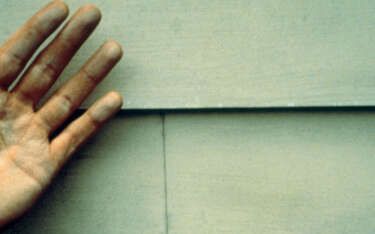
If you've noticed a fine, powdery residue on your painted walls or outdoor surfaces, you may be dealing with chalking paint. This is a fairly common issue that occurs when paint breaks down over time due to weather exposure, UV rays, or low-quality paint ingredients. It’s especially prevalent on exterior surfaces (especially fiber cement siding).
What Causes Chalking?
Chalking happens when the paint binder deteriorates, allowing pigment particles to loosen and form a chalky dust. While it’s a natural part of aging for some paints, excessive chalking can affect appearance, stain surrounding surfaces, and prevent new paint from adhering properly.
How to Fix Chalking Paint
Test for Chalking: Rub your hand or a dark cloth over the surface. If it comes away dusty, you have chalking.
Clean the Surface: Use a stiff brush or pressure washer to remove as much chalk as possible. Follow up with a mild detergent and rinse thoroughly.
Let It Dry: Ensure the surface is completely dry before proceeding.
Prime If Necessary: For areas with stubborn residue or if you're repainting, apply a high-quality, binding primer suited for chalky surfaces.
Repaint: Choose a premium, weather-resistant paint and apply as recommended.
Preventing Future Chalking
Invest in high-quality paint with strong UV resistance and proper binders. Regular maintenance, such as gentle washing and inspections, also helps keep surfaces looking fresh.
By addressing chalking early and using the right materials, you can extend the life and look of your paint job for years to come!