Deck Flashing - Why It's Important

Last Updated: January 17, 2022
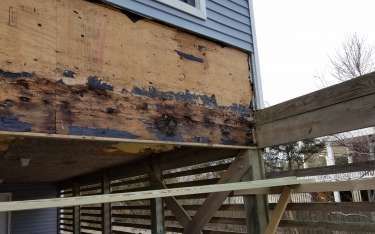
Damaged house siding and wood framing, showing water damage, next to a wooden deck.

Often when we are replacing a deck, we discover siding, sheathing, and framing rot at the ledger board. More often than not, missing or degraded flashing is the culprit. Properly installed flashing prevents water from infiltrating the house behind the ledger board and rotting out the sheathing and framing. Wood rot behind a ledger board is often very time-consuming and expensive to repair.

Deck flashing, sometimes referred to as “Z” flashing, can be made of aluminum, copper, galvanized metal or PVC. Aluminum and galvanized flashing tend to deteriorate over time in the Outer Banks environment, while copper and PVC are more durable. When installing deck flashing, it is important that the flashing extends 4” up the exterior wall and that the house wrap is installed OVER the flashing. Because water runs downhill, it is critical that any lapped joints in the flashing do not face uphill.
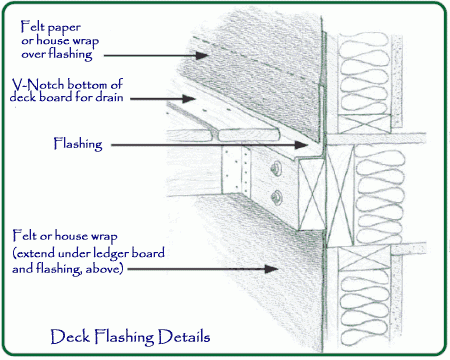
Cross-section of deck flashing installation. Shows felt paper, flashing, ledger board, and V-notch for drainage.

Missing or improperly installed flashing can lead to problems beyond wood rot. While it’s an uncommon point for deck failure, when the ledger fails it generally causes the deck to pull away from the house. This type of deck failure can be catastrophic.

By Matt Brauer August 28, 2026
Creating an Iconic Coastal Look for Your Outer Banks Home
By Matt Brauer August 26, 2026
Deck Safety Awareness
Person looking up, reaching towards a bright blue sky with fluffy white clouds, framed by a white wall.
By beachpainting February 12, 2026
Each year, most paint manufacturers release a “Color of the Year” along with a palette of complementary shades. Pantone — the global authority on color — is best known for the Pantone Matching System (PMS), which provides a standardized language for identifying, matching, and communicating color across design, fashion, printing, and manufacturing. Their annual selection is often a strong predictor of broader color trends and frequently aligns with the palettes chosen by major paint manufacturers.
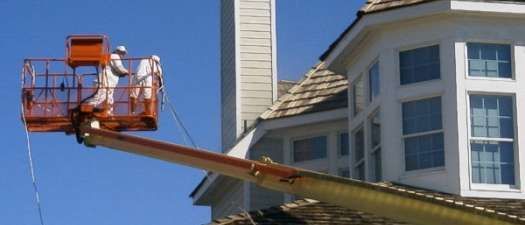
Workers in lift painting the exterior of a white house with a blue sky background.
By beachpainting January 6, 2026
Winter is here on the Outer Banks, and if your home is part of a rental program, you’re likely working through a long checklist to prepare for the upcoming season.
Overhead view of a hurricane swirling over a deep blue ocean, white clouds form a spiral.
By beachpainting August 25, 2025
Hurricane season on the Outer Banks occurs between June and November, with the peak of the season occurring from Mid-August to Mid-October. If you own property on the Outer Banks, you’re already acutely aware of this. With Hurricane Erin currently wreaking havoc along the East Coast, now is a good opportunity to provide some quick tips for your home during hurricane season.
Light green three-story house with white trim, balconies, and turret under a blue sky.
By beachpainting July 9, 2025
When it comes to home improvement, few things make an instant visual impact like a fresh coat of paint. Whether it's reviving weather-worn siding or refreshing an outdated interior, painting can breathe new life into your space. But as you start collecting quotes, you may wonder: why does a good painting contractor cost more than others?
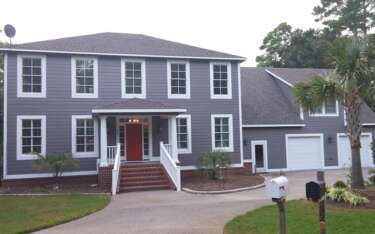
Gray house with white trim, red door, and a circular driveway.
By beachpainting June 24, 2025
The Transformative Power of Washing and Painting Your Home
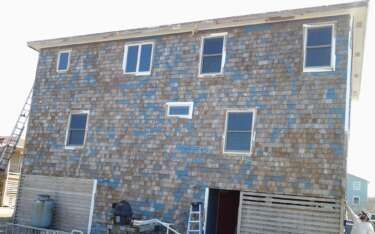
Two-story house with weathered blue shingles, several windows. Ladder leans against the side.
By beachpainting June 10, 2025
If you’ve been putting off painting your house, you’re not alone—but it may cost you more than you think. Summer is the best time of year to paint your Outer Banks home. If you've noticed signs of paint failure (e.g. fading, peeling, blistering, chalking), give us a call today.
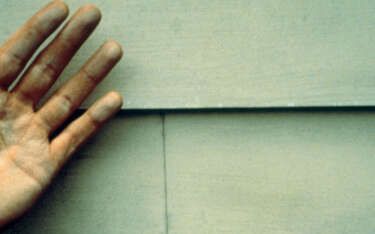
Hand with dusty fingers next to light-colored, horizontal wall siding.
By beachpainting May 27, 2025
If you've noticed a fine, powdery residue on your painted walls or outdoor surfaces, you may be dealing with chalking paint. This is a fairly common issue that occurs when paint breaks down over time due to weather exposure, UV rays, or low-quality paint ingredients. It’s especially prevalent on exterior surfaces (especially fiber cement siding). What Causes Chalking? Chalking happens when the paint binder deteriorates, allowing pigment particles to loosen and form a chalky dust. While it’s a natural part of aging for some paints, excessive chalking can affect appearance, stain surrounding surfaces, and prevent new paint from adhering properly. How to Fix Chalking Paint Test for Chalking: Rub your hand or a dark cloth over the surface. If it comes away dusty, you have chalking. Clean the Surface: Use a stiff brush or pressure washer to remove as much chalk as possible. Follow up with a mild detergent and rinse thoroughly. Let It Dry: Ensure the surface is completely dry before proceeding. Prime If Necessary: For areas with stubborn residue or if you're repainting, apply a high-quality, binding primer suited for chalky surfaces. Repaint: Choose a premium, weather-resistant paint and apply as recommended. Preventing Future Chalking Invest in high-quality paint with strong UV resistance and proper binders. Regular maintenance, such as gentle washing and inspections, also helps keep surfaces looking fresh. By addressing chalking early and using the right materials, you can extend the life and look of your paint job for years to come!
Person on a ladder painting a house's exterior siding near an oval vent.
By beachpainting May 8, 2025
Summer is a great time to paint your Outer Banks home if it is not in rental program. Temperatures and humidity are relatively consistent and longer daylight hours generally lead to shorter project durations.